
Service / Capability
3D Animation & Technical Content
Clear technical storytelling for products, equipment and processes that are difficult to film or explain. We turn source material into a reviewed visual sequence for presentations, exhibitions, training and digital channels.
Selected work / Related cases
See how the service takes shape in real work
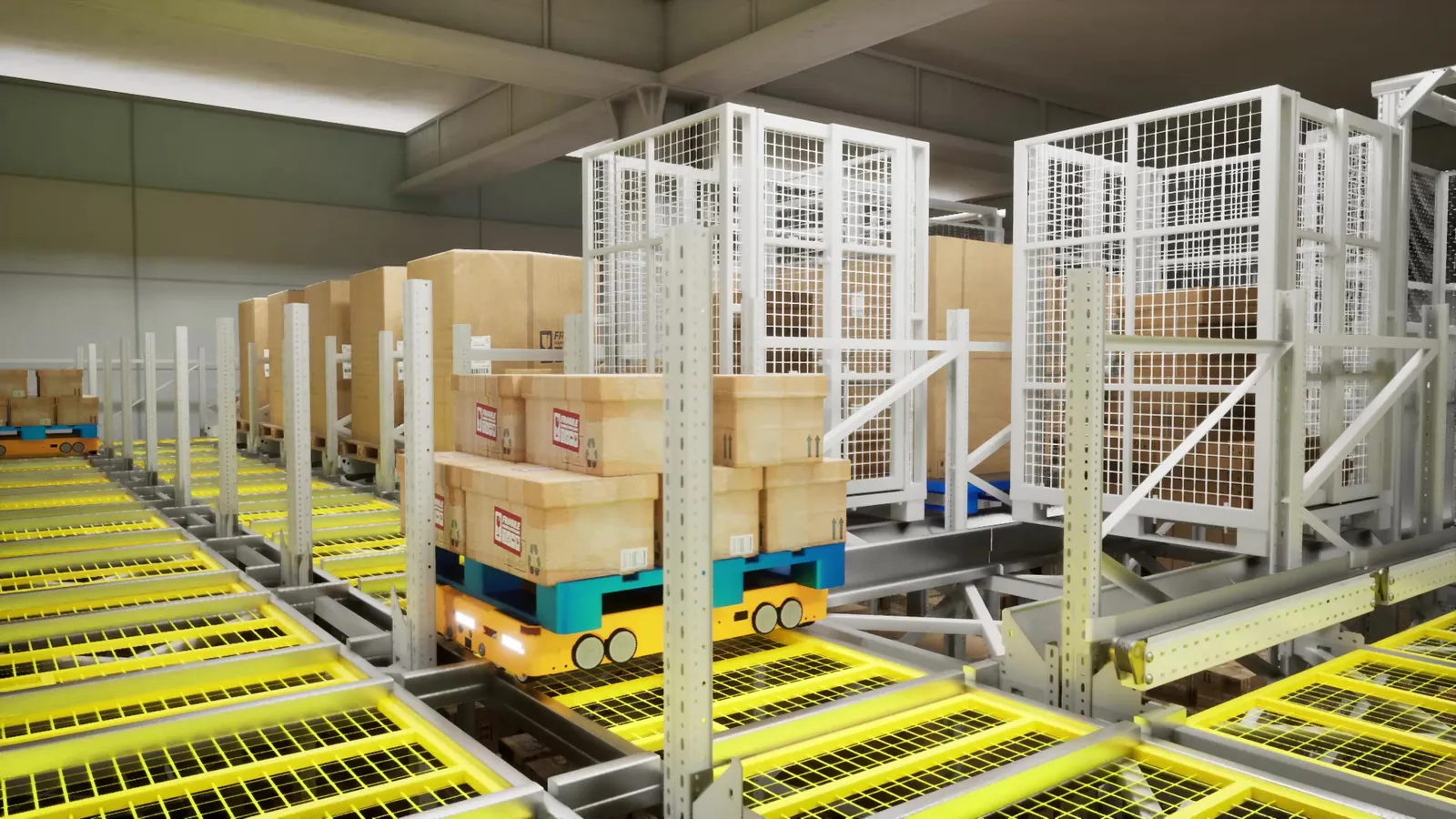 01 / CASEAutomated Logistics & Production-Line VisualizationAn anonymized project view that organizes production, conveying, storage and handling equipment into a readable 3D account of an automated logistics environment.
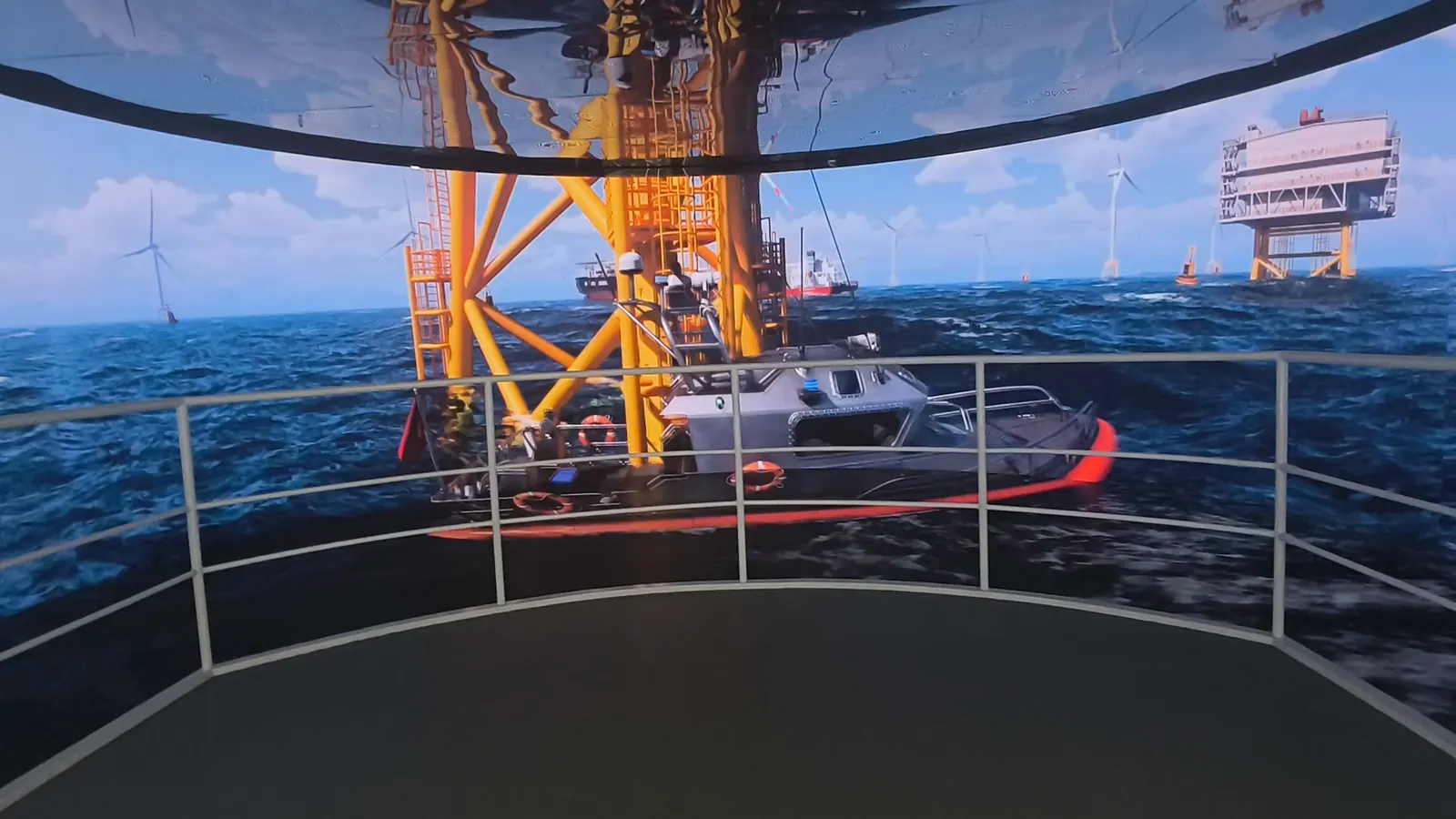 02 / CASEImmersive Offshore Wind ExhibitionOffshore wind 3D content presented inside a physical curved-display environment, showing how infrastructure, vessels and marine context work with an immersive exhibition space.
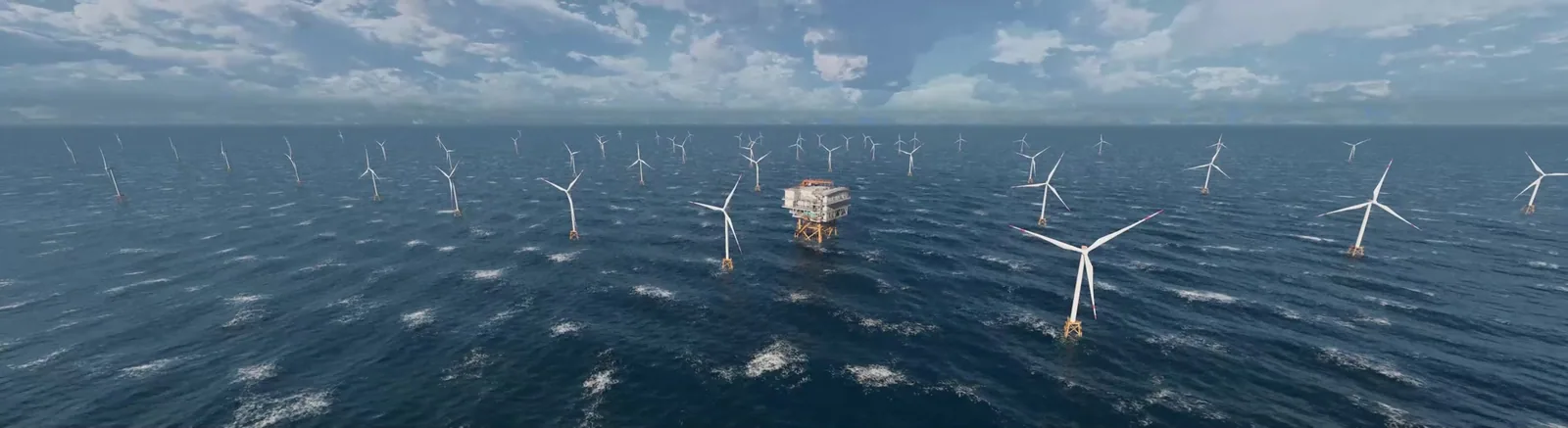 03 / CASEOffshore Wind Technical AnimationA controlled 3D sequence that organizes offshore wind infrastructure, marine context and technical themes to explain structures and spatial relationships that are difficult to observe on site.
Project framing
Start with the outcome, then choose the format
Technical animation is an editorial process as much as a production process. Script and storyboard reviews establish the sequence, terminology and approval points before detailed scene work begins.
The engagement is sized from source quality, asset complexity, shot count, language requirements and review rounds. Deliverables and editable files are documented rather than assumed.
Who it serves
- Equipment, automation and advanced-manufacturing teams
- Energy, power, engineering and infrastructure project teams
- Medical-device, life-science and complex-product teams
- Marketing and technical teams preparing proposals, launches, demonstrations or training
- Agencies seeking a production partner who can work with subject reviewers
Where it fits
- Explain equipment structure, operation, assembly and disassembly
- Show how production, packaging, storage, logistics and process steps connect
- Communicate an installation sequence or technical proposal before it exists on site
- Produce focused visual content for launches, exhibitions and sales conversations
- Build an approved visual aid for training or technical documentation
Deliverables
What the engagement can hand over
- 01
A structured brief, script and storyboard
- 02
Models, materials and environments at the agreed level of detail
- 03
Animation, lighting, rendering, compositing and technical graphics
- 04
Voice, subtitles and language editions when included in scope
- 05
A master film and agreed derivatives for web, exhibition or social use
Project inputs
What we need before production starts
- CAD, STEP, drawings, photos, existing models or prototype references
- Presentations, process notes, manuals, draft scripts or existing footage
- Structures, steps, terminology and restricted visuals that require review
- Brand, aspect ratio, language, channel and delivery-format requirements
- A named subject reviewer who can approve technical content at each milestone
Working process
From source material to a deployable release
- 01
Frame the story: identify the audience, use case, source quality, technical priorities and gaps
- 02
Approve script and boards: settle the sequence, key shots, terminology and review checkpoints
- 03
Produce the visuals: build to the agreed detail and complete animation, rendering and compositing
- 04
Review and deliver: resolve technical notes and finish audio, subtitles, masters and derivatives
Scope boundaries
Decisions that require explicit agreement
- Accuracy depends on source material and subject-owner approval; visual production does not replace engineering, medical or safety validation
- Editable scene files, source models, audio projects and third-party licences are delivered only when explicitly included
- Structural changes after storyboard approval affect scope and timing; asset volume, shot count and review rounds define the engagement
Frequently asked
Questions to resolve before kickoff
01Can we start with CAD, STEP or drawings only?
Yes. We review structural completeness and the communication goal, then identify missing materials, motion, process and brand references.
02What determines the schedule?
Asset complexity, shot count, motion, source quality, audio or language requirements and review rounds. A useful schedule follows an approved storyboard.
03Which formats and source files are included?
Masters and agreed web, image or subtitle derivatives are defined up front. Editable production files require a separate rights and handoff agreement.
Related cases & solutions